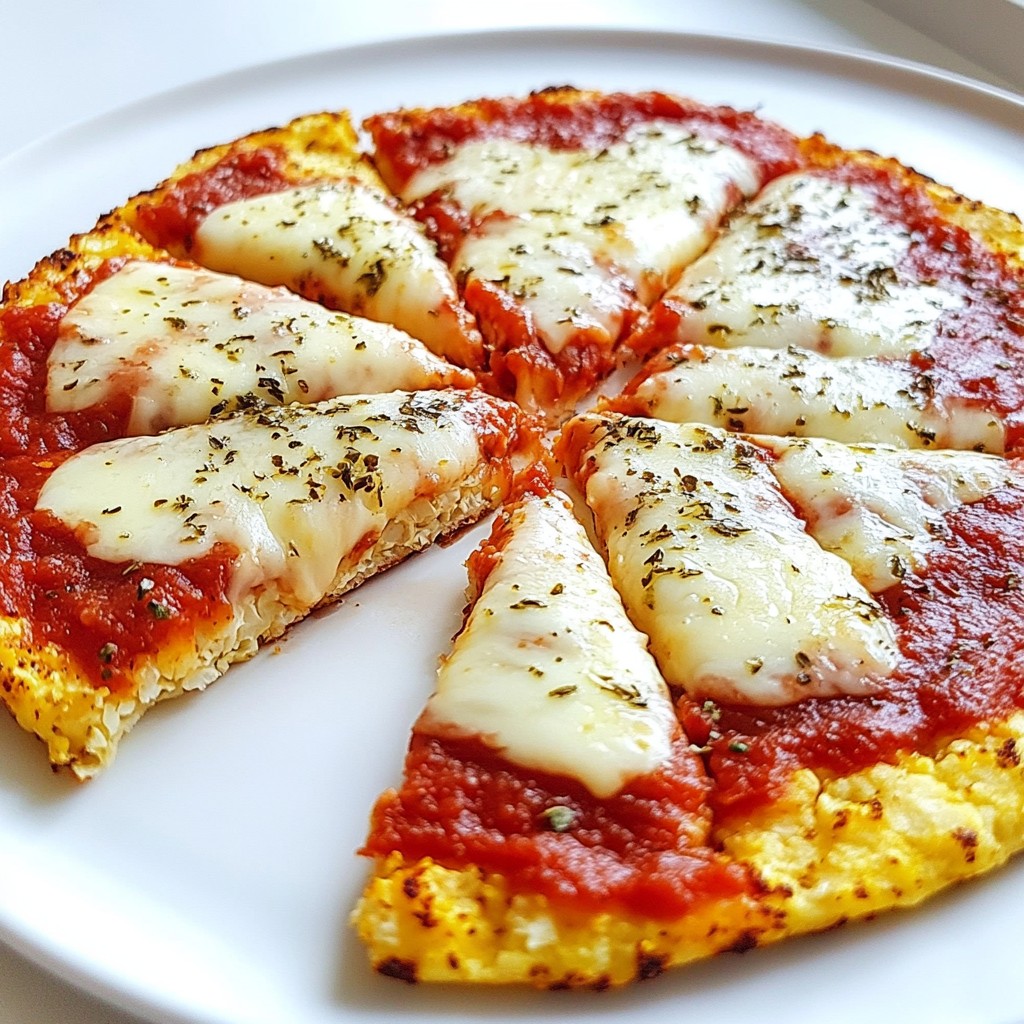
Are you craving pizza but want a healthier option? Cauliflower pizza crust is your answer! It's easy to make and packed with flavor. In this simple guide, I’ll show you how to prepare the crust, choose tasty toppings, and avoid common mistakes. Plus, I’ll share tips for gluten-free and vegan versions. Let’s dive into this delicious, guilt-free recipe that will change your pizza nights forever!
Why I Love This Recipe
- Healthy Alternative: This cauliflower pizza crust is a fantastic low-carb option, perfect for those looking to reduce their carbohydrate intake without sacrificing flavor.
- Easy to Make: With just a few simple ingredients and straightforward steps, this recipe is beginner-friendly and can be whipped up quickly.
- Customizable: You can top your pizza with any of your favorite ingredients, making it versatile for different tastes and dietary preferences.
- Great Texture: When baked properly, the cauliflower crust comes out crispy and delicious, providing the perfect base for your toppings.
Ingredients
Main Ingredients for Cauliflower Pizza Crust
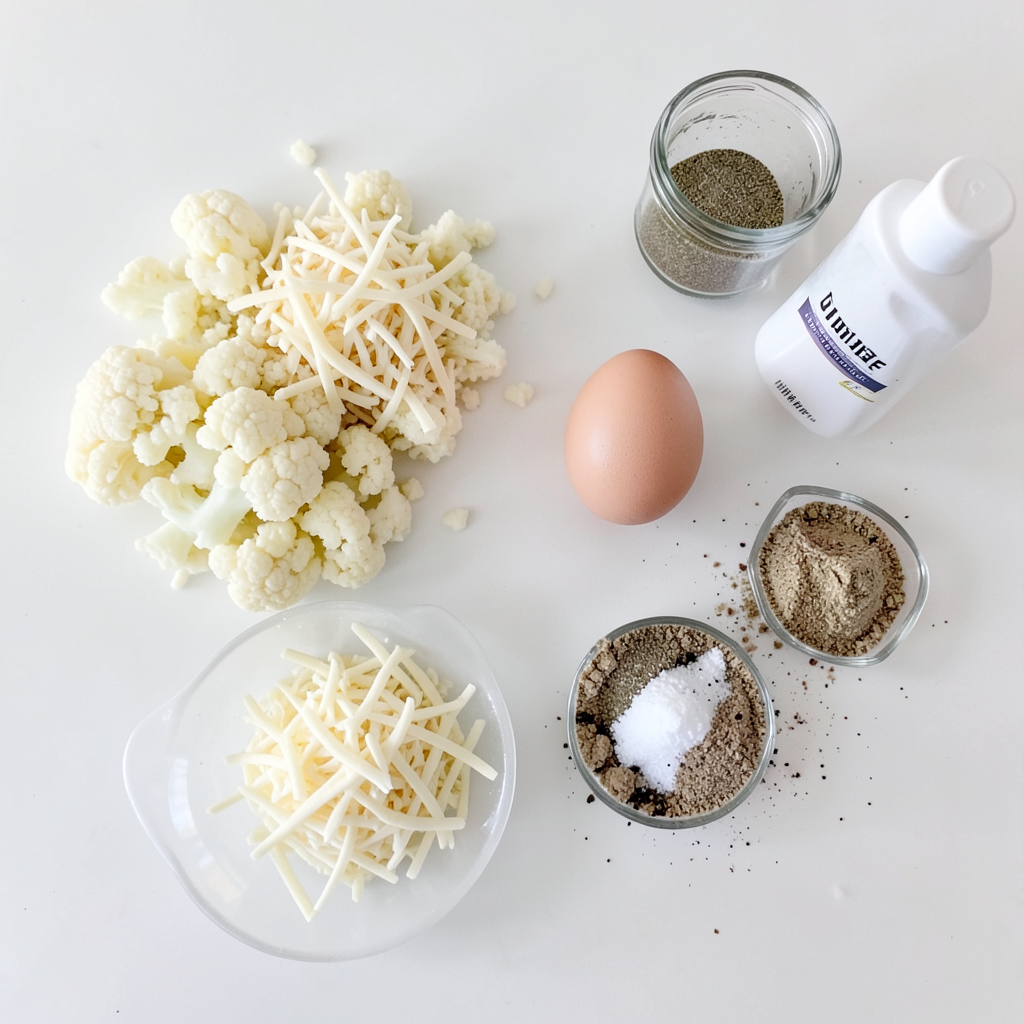
To make a tasty cauliflower pizza crust, you need:
- 1 medium head of cauliflower, riced (about 4 cups)
- 1 cup shredded mozzarella cheese
- 1/2 cup almond flour
- 1 large egg, beaten
- 1 teaspoon dried oregano
- 1 teaspoon garlic powder
- 1/2 teaspoon salt
- 1/4 teaspoon black pepper
- Cooking spray or olive oil for greasing
These ingredients create a crust that is both healthy and delicious. The riced cauliflower gives it a nice texture, while the cheese adds great flavor.
Optional Toppings
You can get creative with your toppings! Here are some great options:
- Pepperoni
- Sliced bell peppers
- Spinach
- Mushrooms
- Olives
- Fresh basil
- Red pepper flakes
Feel free to mix and match. The best part of pizza is making it your way!
Alternative Cheese Options
If you want to change up the cheese, try these options:
- Cheddar cheese
- Goat cheese
- Vegan cheese
Each cheese brings a different taste. Choose what you like best!
Step-by-Step Instructions
Preparing the Cauliflower
Start by rinsing the cauliflower under cold water. Remove the leaves and stem. Break the cauliflower into smaller florets. Next, use a food processor to pulse the florets. You want them to look like rice grains. This should take about 10-15 pulses.
After ricing the cauliflower, it is time to remove excess moisture. Place the riced cauliflower in a clean kitchen towel. Gather the cloth around the cauliflower and twist it tightly. Squeeze out as much moisture as you can. This step is key for a crispy crust!
Making the Cauliflower Pizza Dough
Now, grab a large mixing bowl. Add the riced cauliflower, shredded mozzarella cheese, almond flour, and beaten egg. Sprinkle in the dried oregano, garlic powder, salt, and black pepper. Mix everything until it forms a dough-like mixture. It should hold together well.
Next, turn the cauliflower mixture onto the prepared baking sheet. Use your hands or a spatula to spread it out evenly. Aim for a pizza crust about 1/4 inch thick. Create a slight raised edge around the crust. This edge will help hold your toppings!
Baking and Adding Toppings
Place your crust in the preheated oven at 425°F (220°C). Bake for 20-25 minutes. You want the edges to turn golden brown and the crust to feel firm.
Once baked, carefully take the crust out of the oven. Spread your favorite pizza sauce on top. Add any desired toppings like pepperoni, vegetables, or olives. If you want, sprinkle more mozzarella cheese on top.
Return the pizza to the oven and bake for another 10-15 minutes. Wait until the cheese is melted, bubbly, and slightly golden. Let it cool for a few minutes, then slice into four wedges. Enjoy your healthy, homemade cauliflower pizza!
Tips & Tricks
Achieving a Crispy Crust
To get a crispy crust, moisture control is key. After ricing the cauliflower, use a clean towel to squeeze out water. This step is vital! If the cauliflower holds too much liquid, your crust will be soggy. Aim for a dough-like mixture that's firm and dry. Bake at 425°F (220°C) until the edges turn golden brown. This should take about 20-25 minutes.
Common Mistakes to Avoid
One common mistake is not removing enough moisture. Remember, soggy crusts are not tasty! Another mistake is not shaping the crust evenly. A 1/4 inch thickness helps with baking. Also, don't skip the raised edge. This edge holds your toppings and keeps the pizza together. Lastly, be careful not to overload with toppings. Too many toppings can make the crust weak.
Enhancing Flavor with Herbs and Spices
Herbs and spices can boost your pizza's flavor. Dried oregano and garlic powder are great basics. You can also add crushed red pepper for heat or basil for freshness. Try mixing in some Italian seasoning for extra depth. Fresh herbs like thyme or rosemary can also work wonders! Experiment with your favorite flavors to make it your own.
Pro Tips
- Use Fresh Cauliflower: For the best flavor and texture, use a fresh head of cauliflower instead of pre-riced varieties.
- Don’t Skip the Moisture Removal: Squeezing out excess moisture is crucial for a crispy crust; take your time with this step.
- Experiment with Cheese: Try mixing different cheeses like parmesan or cheddar for added flavor to your crust.
- Customize Your Toppings: Feel free to get creative with toppings; fresh veggies and herbs can elevate your pizza to the next level!
Variations
Gluten-Free Options
You can easily make this cauliflower pizza crust gluten-free. The main ingredients are already gluten-free! Just ensure your almond flour is pure and free from gluten. You can also try using other gluten-free flours like coconut flour or chickpea flour. They will still give you a great texture and taste.
Vegan Cauliflower Pizza Crust
To make a vegan version, skip the egg. Instead, mix 1 tablespoon of ground flaxseed with 2.5 tablespoons of water. Let it sit for a few minutes until it thickens. This mixture acts as a binder, helping your crust hold together while adding healthy fiber.
Low-Carb and Keto Variations
This cauliflower pizza crust is naturally low in carbs. If you want to keep it keto-friendly, stick to cheese and meat toppings. Avoid high-carb veggies like corn or potatoes. You can also add more spices to boost flavor without adding carbs. Experiment with toppings like spinach, olives, or grilled chicken to keep it exciting.
Storage Info
How to Store Leftover Pizza Crust
To store leftover cauliflower pizza crust, let it cool first. Place it in an airtight container or wrap it in plastic wrap. This helps keep it fresh. You can store it in the fridge for up to three days. If you want it to last longer, freezing is a great option.
Reheating Tips
When you’re ready to eat your leftover pizza crust, preheat your oven to 350°F (175°C). Place the crust on a baking sheet. Bake it for about 10-15 minutes. This will make the crust warm and crispy again. You can also use a toaster oven for this step. It keeps the crust nice and crunchy.
Freezing Cauliflower Pizza Crust
To freeze your cauliflower pizza crust, wait for it to cool completely. Wrap it tightly in plastic wrap, then place it in a freezer-safe bag. Label the bag with the date. You can freeze it for up to three months. When ready to use, thaw it in the fridge overnight before reheating. This method helps preserve its taste and texture.
FAQs
Can I make cauliflower pizza crust in advance?
Yes, you can make cauliflower pizza crust ahead of time. Prepare the crust and bake it. Let it cool completely. Then, wrap it tightly in plastic wrap or foil. Store it in the fridge for up to three days. You can also freeze it for up to three months. Just remember to thaw it before adding toppings and baking.
What can I use instead of almond flour?
If you need a substitute for almond flour, try using coconut flour. You may also use oat flour or regular all-purpose flour. Just remember, coconut flour absorbs more moisture, so you may need to adjust the liquid in your recipe. Start with less and add more as needed.
How to tell when the crust is done baking?
You can tell the crust is done by its color and texture. It should turn golden brown around the edges. Press it gently; it should feel firm and not squishy. If it holds its shape well, it’s ready for toppings. Always trust your senses, as they guide you to a perfect crust!
Cauliflower pizza crust is easy and fun to make. We covered the main ingredients, steps to prepare it, and tips for a perfect crust. You can try fun variations like gluten-free and vegan options. Storing and reheating leftover crust is simple too.
Now you can enjoy pizza with less guilt. Start your cauliflower pizza journey today and make it your own!