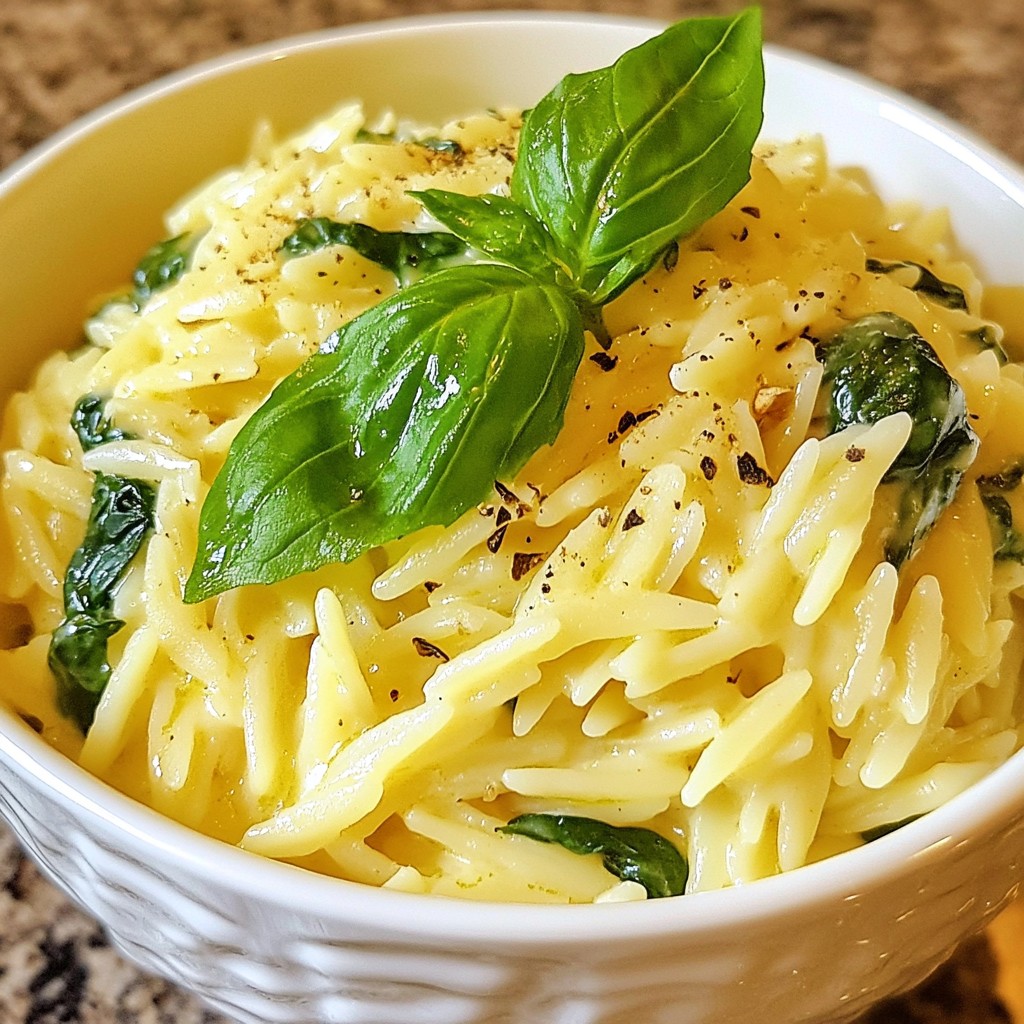
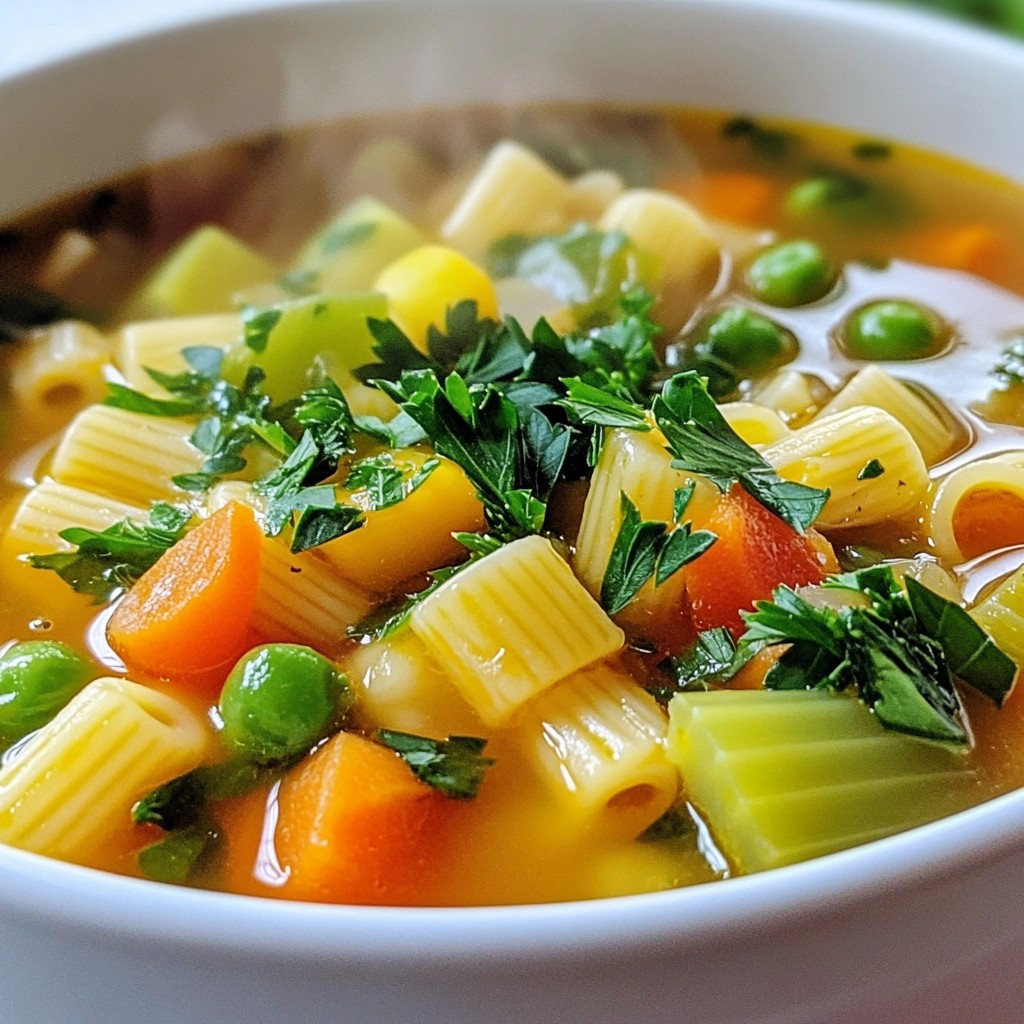
Looking for a warm, tasty dish that packs a veggie punch? My Veggie Packed Minestrone Soup hits the spot! It’s full of fresh vegetables, rich broth, and pasta, making it a perfect comfort meal. Whether you're cozying up on a chilly night or need a healthy boost, this soup will warm your heart and fill your belly. Let's dive into the simple ingredients and easy steps to make this delicious dish!
Why I Love This Recipe
- Nutritious and Wholesome: This minestrone soup is packed with a variety of vegetables and beans, making it a nutrient-dense meal that supports a healthy lifestyle.
- Comforting and Satisfying: With its rich flavors and hearty texture, this soup warms you up and provides a sense of comfort, perfect for chilly days.
- Versatile and Customizable: You can easily swap in your favorite vegetables or beans, adapting the recipe to suit your taste or what you have on hand.
- Easy to Prepare: This recipe requires minimal prep time and simple cooking steps, making it accessible for both novice and experienced cooks.
Ingredients
Main Ingredients
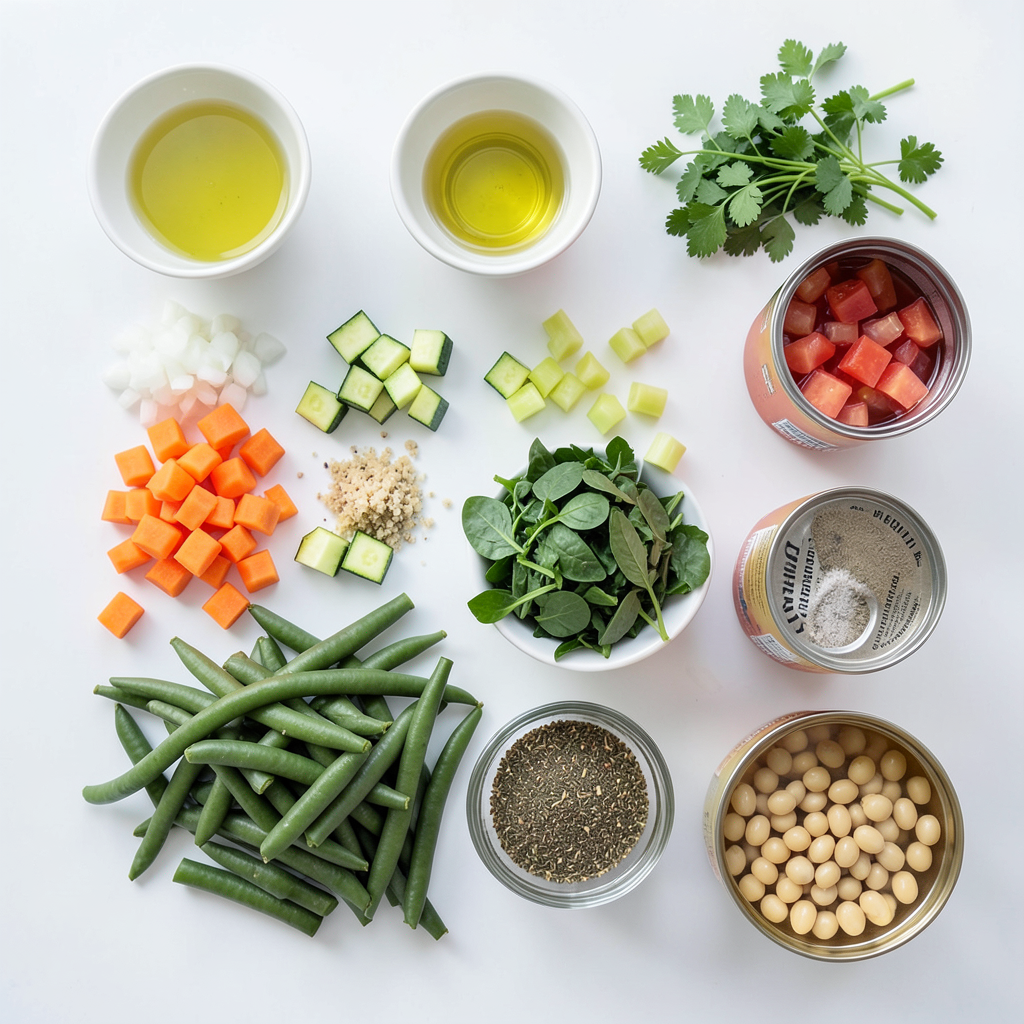
- 1 tablespoon extra virgin olive oil
- 1 medium yellow onion, diced
- 2 cloves garlic, minced
- 2 medium carrots, diced
- 2 celery stalks, diced
- 1 medium zucchini, diced
- 1 bell pepper, diced
- 1 cup fresh green beans, cut into 1-inch pieces
- 1 cup fresh spinach or kale, chopped
- 1 can (15 oz) diced tomatoes, with juice
- 4 cups low sodium vegetable broth
- 1 cup cannellini beans, drained and rinsed
- 1 cup small pasta (like ditalini or elbow macaroni)
I love using fresh vegetables in my minestrone. They add great taste and nutrition. Olive oil is my go-to for sautéing. It helps to bring out the flavors in the veggies. The broth gives the soup depth and richness.
Seasonings
- 1 teaspoon dried oregano
- 1 teaspoon dried basil
- Salt and freshly ground black pepper, to taste
Dried herbs add a lovely aroma to the soup. Oregano and basil are classic choices. They pair well with the tomatoes and vegetables. Don't forget to season with salt and pepper. This really enhances the flavor.
Optional Garnishes
- Fresh parsley or basil leaves, for garnish
- Warm crusty bread for serving
I recommend fresh herbs for garnish. They make the soup look beautiful and add a burst of flavor. A warm slice of bread pairs perfectly. It’s great for dipping into the soup.
Step-by-Step Instructions
Preparation Steps
- Start by chopping the veggies. Dice the onion, carrots, celery, zucchini, and bell pepper.
- Trim the green beans and cut them into 1-inch pieces.
- Roughly chop the spinach or kale.
- Cook the pasta (like ditalini) per package instructions. Reduce the cooking time by 2 minutes. Drain and set aside.
Cooking Process
1. Heat the Oil: In a large pot, heat the olive oil over medium heat.
2. Add Aromatics: Add diced onion and sauté for 3 to 4 minutes. The onion should be translucent.
3. Incorporate Veggies: Stir in minced garlic, carrots, and celery. Cook for an additional 3 to 5 minutes until they soften.
4. Mix in More Veggies: Add zucchini, bell pepper, and green beans. Sauté for 3 to 4 minutes.
5. Combine Liquids: Pour in the diced tomatoes and vegetable broth. Bring it to a gentle boil.
6. Season and Simmer: Stir in cannellini beans, oregano, and basil. Add salt and pepper. Lower the heat and let it simmer for 15 minutes.
7. Finish the Soup: Add cooked pasta and chopped greens. Stir well and simmer for 5 minutes until the greens wilt.
8. Taste for Perfection: Taste the soup. Adjust seasoning with more salt or pepper if needed.
Adjustments for Serving
- Ladle the soup into bowls.
- Garnish with fresh parsley or basil for color.
- Serve with a warm slice of crusty bread for a comforting meal.
Tips & Tricks
Soup Consistency
To get the perfect thickness in your minestrone soup, start with less broth. You can always add more later. When you simmer the soup, some of the liquid will cook down, making it thicker. If your soup is too thick, just add a bit more vegetable broth or water to reach your desired consistency.
Flavor Enhancements
Adding extra spices or herbs can give your soup a boost. Try adding a pinch of red pepper flakes for heat. Fresh basil or thyme can also add great flavor. If you love garlic, add an extra clove or two. Don't be afraid to taste and adjust as you go.
Cooking Equipment
Using the right pots and tools makes cooking easier. A heavy-bottomed pot works best for even heat. A wooden spoon helps stir without scratching the pot. A ladle is great for serving, while a sharp knife makes chopping veggies quick and safe. Keep your tools handy to make cooking smooth and fun!
Pro Tips
- Use Fresh Ingredients: Fresh vegetables will enhance the flavor and nutritional value of your minestrone. Opt for seasonal produce whenever possible.
- Customize Your Beans: Feel free to swap out the cannellini beans for any other beans you prefer, such as kidney or black beans, to suit your taste.
- Make It Heartier: For an even more filling soup, add cooked quinoa or barley along with the pasta. This will boost the fiber content and add a delightful texture.
- Store Leftovers Properly: If you have leftovers, store the soup and pasta separately to prevent the pasta from becoming mushy when reheated.
Variations
Different Vegetables
You can swap out veggies based on what you have. Use seasonal vegetables for the best taste. For spring, try asparagus or peas. In summer, add corn or bell peppers. Fall brings butternut squash or sweet potatoes. In winter, root vegetables like parsnips or turnips work well. Feel free to mix and match for a unique flavor every time.
Protein Add-ins
Want more protein? Add cooked chicken, turkey, or sausage. Canned chickpeas or lentils are great if you prefer plant-based options. Tofu can also give a nice texture and protein boost. Just toss them in during the last few minutes of cooking. This way, they heat up without losing their texture.
Dietary Adjustments
You can easily make this soup fit your diet. To keep it vegan, simply skip the pasta and use vegetable broth. For gluten-free versions, choose gluten-free pasta or quinoa. If you want a low-carb option, replace pasta with zucchini noodles or cauliflower rice. Each change can give you a tasty twist while keeping the heartiness of the soup.
Storage Info
Refrigeration Tips
To store leftover minestrone soup, let it cool first. Then, place it in an airtight container. It will stay fresh in the fridge for up to five days. Always label the container with the date. This helps you remember when you made it.
Freezing Guidelines
If you want to freeze your soup, use freezer-safe containers. Leave some space at the top, as the soup will expand when frozen. You can store it in the freezer for up to three months. For best results, divide the soup into single-serving portions. This makes it easier to thaw later.
Reheating Instructions
To reheat the soup, pour it into a pot over medium heat. Stir occasionally until it is hot. If it's too thick, add a splash of vegetable broth or water. You can also reheat it in the microwave. Use a microwave-safe bowl and cover it loosely. Heat in short bursts, stirring in between, until hot. Enjoy the fresh flavors just like when you made it!
FAQs
Can I use fresh herbs instead of dried?
Yes, you can use fresh herbs. Fresh herbs add bright flavor. You will need more of them. Use about three times more fresh herbs than dried. For example, if the recipe calls for one teaspoon of dried oregano, use three teaspoons of fresh oregano instead.
What type of pasta works best in minestrone?
Small pasta shapes work best. Ditalini, elbow macaroni, and small shells fit well. They soak up the broth and mix nicely with the veggies. Choose a shape you like, and make sure to cook it al dente, so it stays firm in the soup.
How can I make this soup heartier?
To make the soup heartier, add more beans or vegetables. You can try these options:
- Chickpeas: Add a can for extra protein.
- Potatoes: Diced potatoes bring thickness and warmth.
- Corn: Sweet corn adds a nice crunch and sweetness.
- Lentils: They cook fast and boost nutrients.
Feel free to mix in any of these ingredients for a filling meal.
This blog post covered the key ingredients for a tasty minestrone soup. You learned about the main flavors, the cooking steps, and tips for perfecting your dish. We explored various ways to add proteins and adapt the recipe for dietary needs. Plus, you discovered how to store and reheat soup to keep it fresh.
Enjoy experimenting with your own variations. Cooking should be fun, so don’t hesitate to customize! With these tips, you can create a hearty, satisfying soup anytime. Happy cooking!